Insights
Insights on AI, disease biology, and the future of therapeutic discovery.
Research notes, essays, technical perspectives, and field analysis from the frontier of disease intelligence.
Disease IntelligenceTherapeutic HypothesesIn Silico MedicineTranslational MedicineAI Drug DiscoveryAlzheimer’s ResearchPlatform NotesFounder EssaysEvidence GraphsPerturbation ModelingValidation Design
Why Disease Intelligence Comes Before Target Selection
A field note on disease states, patient-relevant biology, and why target discovery needs a richer operating model.
May 2026 / 7 min read
What Makes a Therapeutic Hypothesis Testable?
A therapeutic hypothesis becomes testable when it clearly links a patient subtype, a biological perturbation, an expected outcome, and the evidence needed to gain confidence. In drug discovery, weak hypotheses often fail because they describe an interesting target but do not define how changing that target should alter disease biology in humans. Biomarkers should be tied to biological processes, disease processes, or treatment response, not used as vague signals of progress. A compact hypothesis template helps teams move from "this target matters" to "this intervention should change this measurable pathway in this defined population." That makes the hypothesis easier to challenge, validate, and prioritize before expensive development begins.
May 2026 / 4 min read
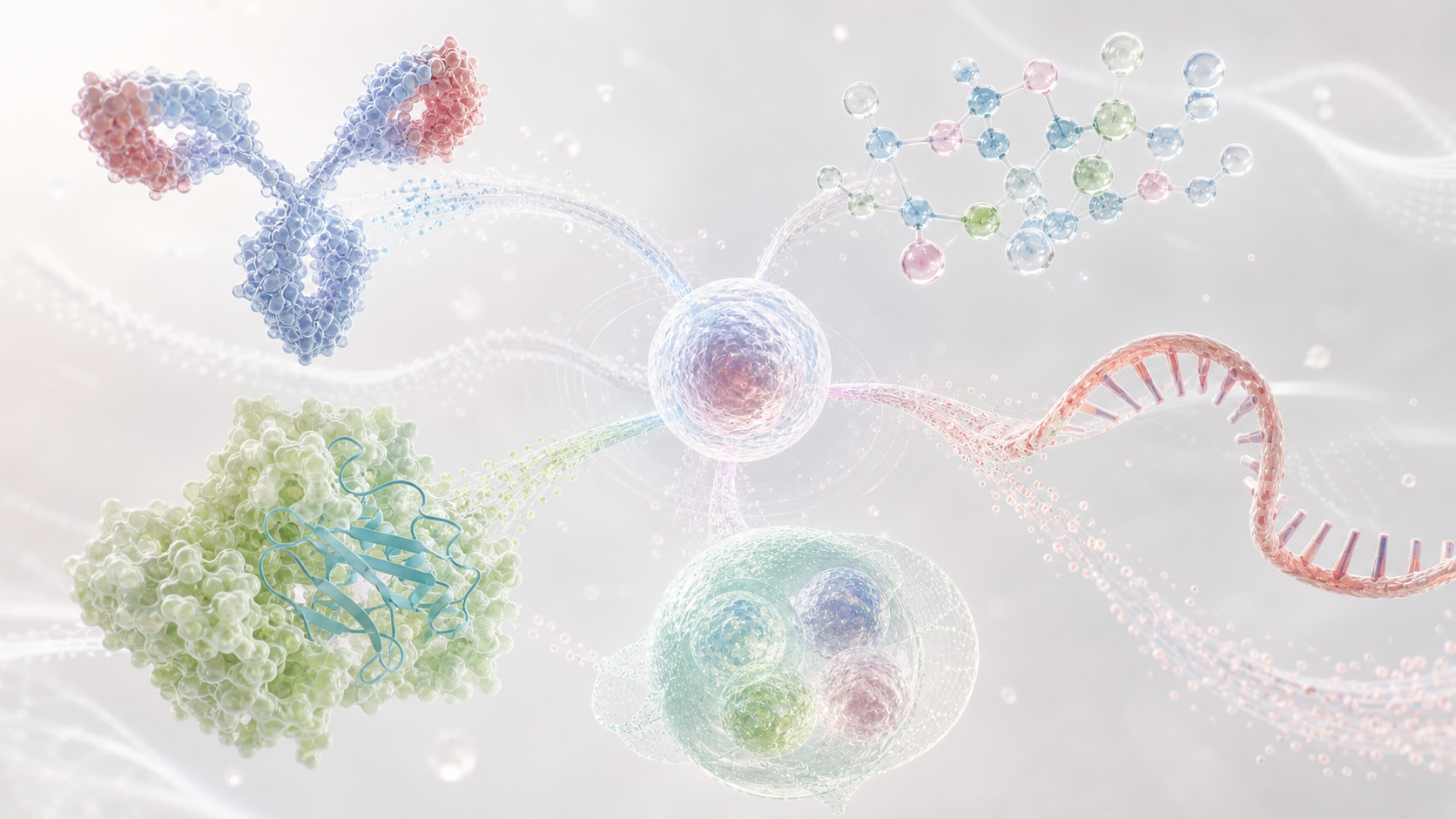
From Perturbation Logic to Modality Choice
The right therapeutic modality depends on the biological action required, not just the attractiveness of the target. If disease biology calls for reducing a toxic protein, degradation, silencing, or inhibition may be appropriate; if it requires restoring lost function, activation, replacement, or modulation may be more logical. CRISPR activation, inhibition, and screening studies show how different perturbation types can reveal whether upregulation, downregulation, or pathway rewiring changes a disease-relevant phenotype. This means modality choice should follow the desired intervention logic: what needs to be changed, in which cells, by how much, and for how long.
May 2026 / 6 min read
The Bottleneck Is Understanding
Faster AI generation does not remove the hardest bottleneck in biology: understanding whether a proposed mechanism is actually causal, human-relevant, and therapeutically actionable. AI systems can rank targets, summarize literature, and predict relationships, but those outputs still need biological interpretation and experimental confirmation. The real value is not producing more suggestions; it is helping scientists see which assumptions are supported, which are contradicted, and which remain unknown. Better maps of mechanism, evidence, and uncertainty make speed useful instead of noisy.
May 2026 / 5 min read
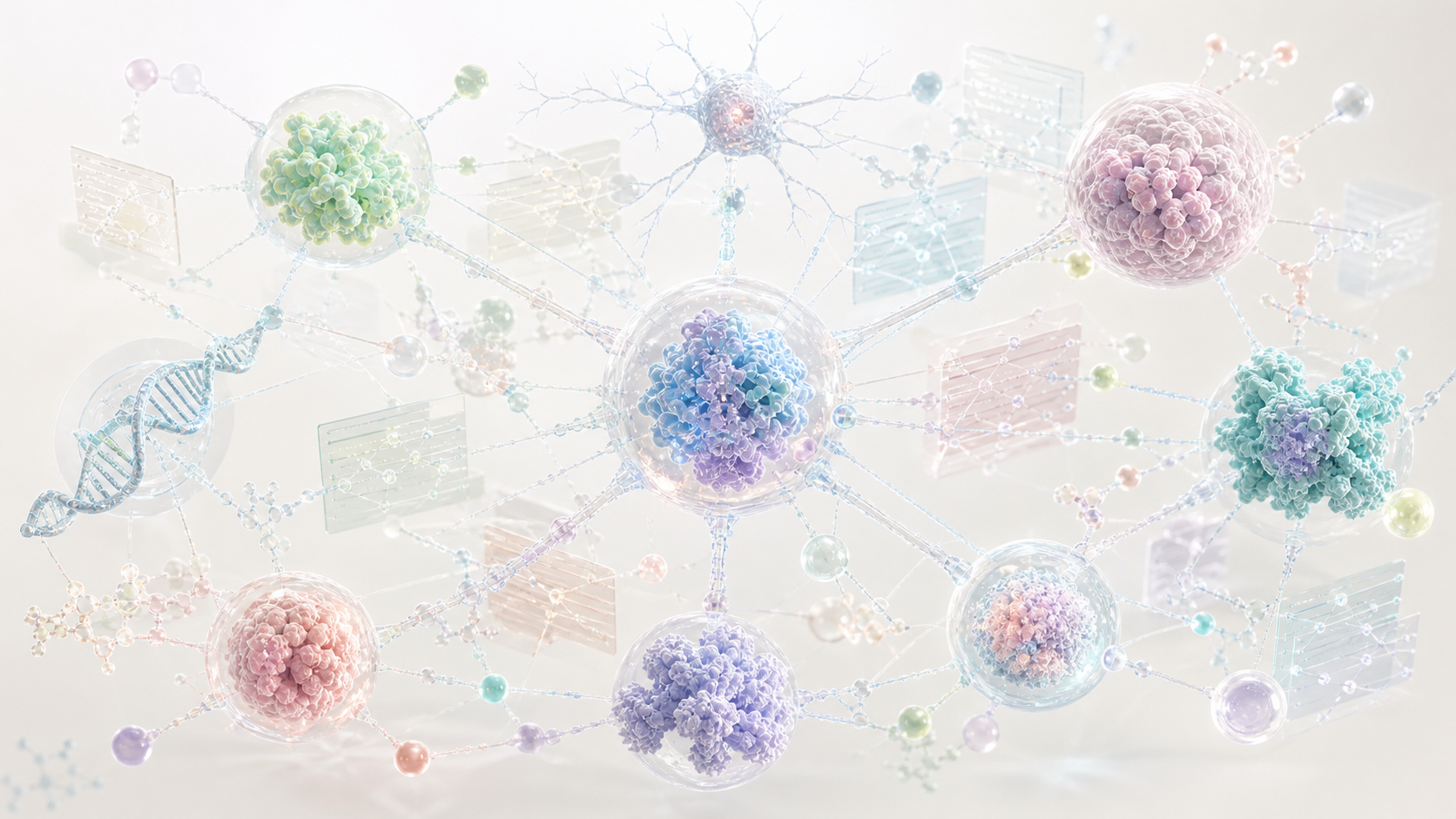
Evidence Graphs for Defensible AI Biology
AI biology recommendations become more defensible when they are represented as evidence graphs rather than isolated rankings. Biomedical knowledge graphs connect genes, proteins, drugs, diseases, pathways, phenotypes, and publications, making it easier to see why a system proposed a target or mechanism. The strongest graphs preserve provenance, contradiction, confidence, and missing evidence, because a claim with weak or conflicting support should not look the same as a well-replicated finding. The key is to show not only the recommendation, but the evidence path behind it.
May 2026 / 8 min read
Validation Packages as Decision Products
A validation package should be treated as a decision product: a structured bundle that helps a team decide whether a therapeutic hypothesis is worth advancing. It should connect the mechanism, patient population, biomarker strategy, assay design, model system, and translational readout into one coherent argument. In practice, validation is not just "more experiments"; it is the selection of the right evidence to reduce the most important uncertainty. A strong package tells teams what is known, what is still risky, and what experiment should happen next.
May 2026 / 6 min read

Alzheimer’s as a Systems Problem
Alzheimer’s disease is increasingly understood as a heterogeneous systems problem rather than a single linear pathway. Research points to interacting processes including amyloid and tau pathology, inflammation, proteostasis, oxidative stress, glucose metabolism, lipid dysregulation, synaptic dysfunction, and co-pathologies. This complexity helps explain why interventions can appear promising in one biological context but fail in broader patient populations. Subtyping and timing matter because different patients may be driven by different mechanisms at different stages of disease.
May 2026 / 9 min read
Mechanism Maps for Patient Subtypes
Mechanism maps help teams compare intervention paths across patient subtypes instead of treating a disease label as one uniform biology. In heterogeneous diseases, the same clinical diagnosis can contain different molecular drivers, pathway states, progression rates, and treatment-response patterns. Systems biology and multi-omics research are increasingly used to identify disease pathways and biomarkers that may separate these groups. A subtype-aware map can show which mechanism is dominant, which biomarkers support it, and which intervention strategies are plausible for that subgroup.
May 2026 / 6 min read
Perturbation Confidence Is Not a Single Number
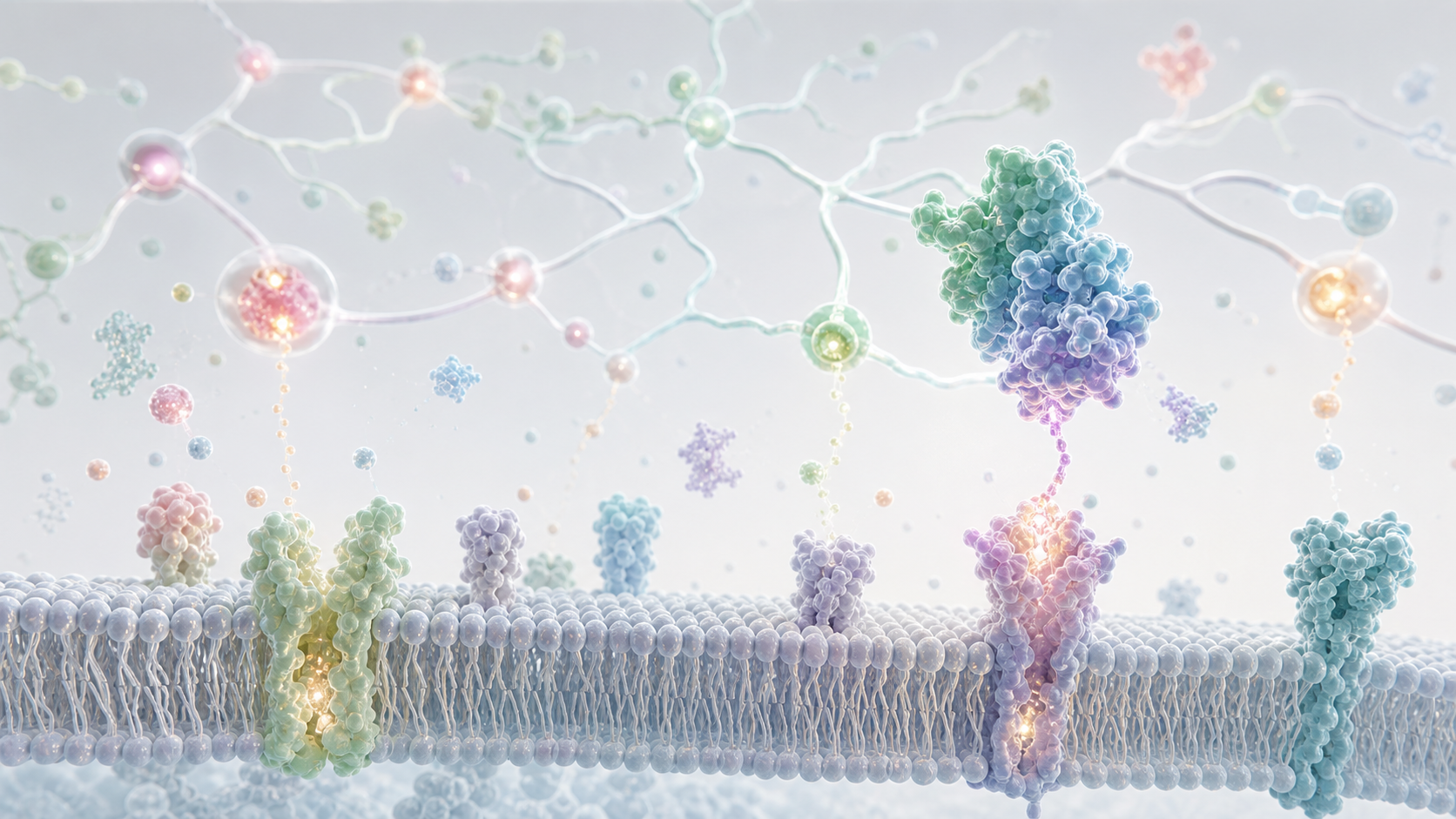
Perturbation confidence should not be reduced to one score, because confidence depends on several different questions. A perturbation may be technically strong in a cell model but weakly connected to human disease, or it may show a compelling phenotype while relying on a model system with poor translational relevance. Functional genomics and CRISPR screens are powerful because they can test gene function at scale, but they still require careful interpretation across context, dose, assay quality, and phenotype relevance. Better confidence models separate evidence maturity, model relevance, replication, effect size, contradiction, and translational risk.
May 2026 / 5 min read
From Prediction to Proof
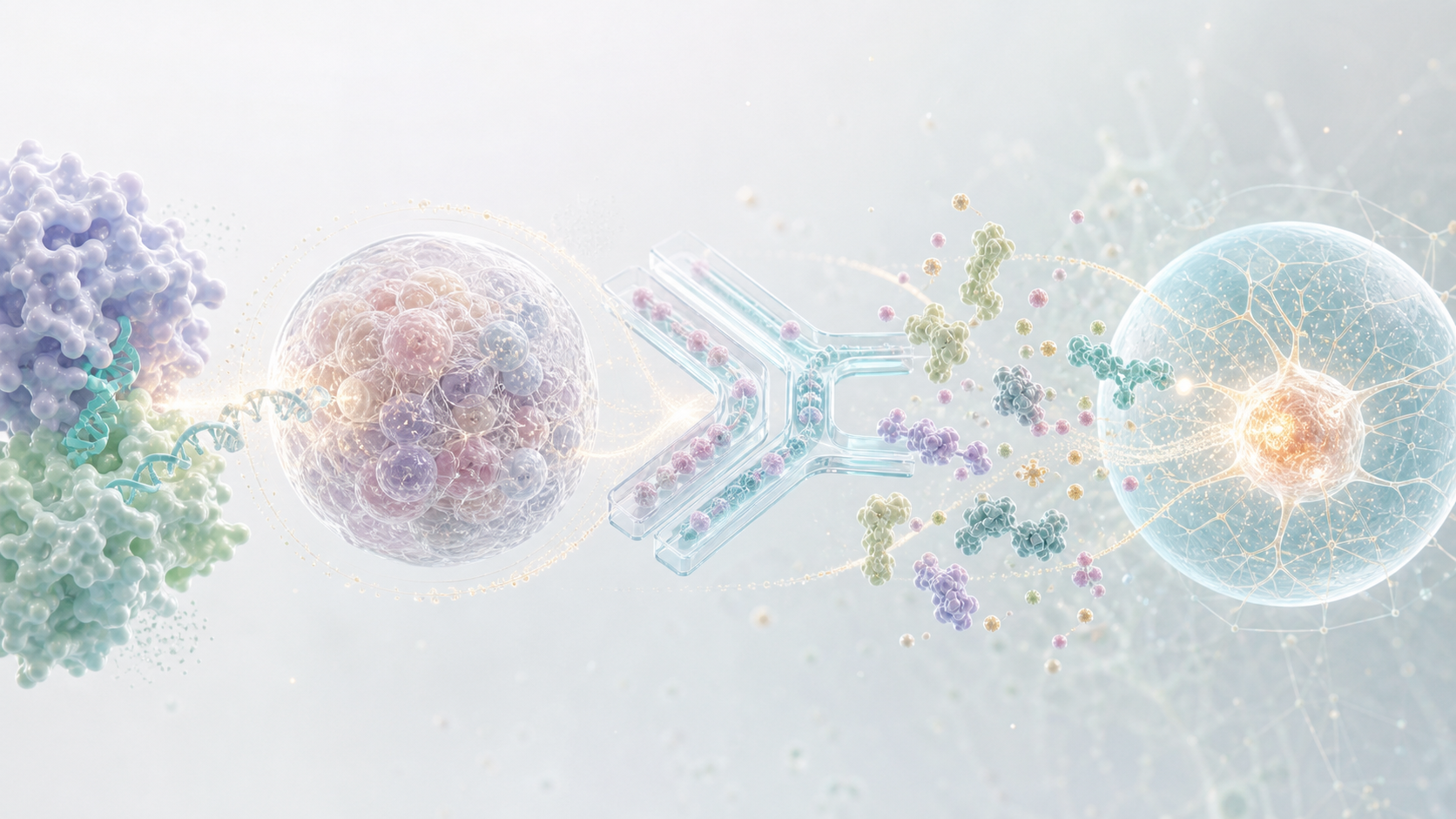
The best AI biology systems should be judged by whether they improve the next experiment, not just whether they generate plausible predictions. A useful system should propose a target, explain the biological rationale, expose uncertainty, and recommend the validation step most likely to change the decision. Drug discovery has long struggled with high failure rates because preclinical evidence often does not translate into human benefit. AI can help by integrating multimodal data and prioritizing hypotheses, but the proof still comes from well-designed assays, biomarkers, model systems, and eventually clinical outcomes.
May 2026 / 7 min read

Designing Validation Around Human Relevance
Validation should be designed around human relevance from the beginning, especially when choosing biomarkers, endpoints, model systems, and translational readouts. A model can be experimentally convenient but still fail to represent the biology that matters in patients. Human-relevant validation asks whether the right cells, tissues, disease stage, and patient subgroup are represented. This shifts the goal from simply proving activity to proving that the activity has a credible path toward human benefit.
May 2026 / 8 min read
When Modality Follows Mechanism
The same biological target can imply different therapeutic forms depending on the mechanism a team needs to produce. A small molecule, antibody, RNA therapy, gene therapy, degrader, or cell-based approach may each fit different versions of the same target story. The choice depends on whether the therapeutic goal is to block activity, enhance activity, remove a protein, replace function, alter expression, or redirect a pathway. In a strong hypothesis workflow, modality follows mechanism rather than platform preference.
May 2026 / 4 min read
Article Viewer
Built for long-form credibility.
The insights hub is structured for dedicated article pages with title, subtitle, author, date, tags, hero image, article body, related articles, and a closing path back into the technology platform.